
Lates News From Refrigerant Gas Wholesale
Affordable Agricultural Drone Packages
Apr
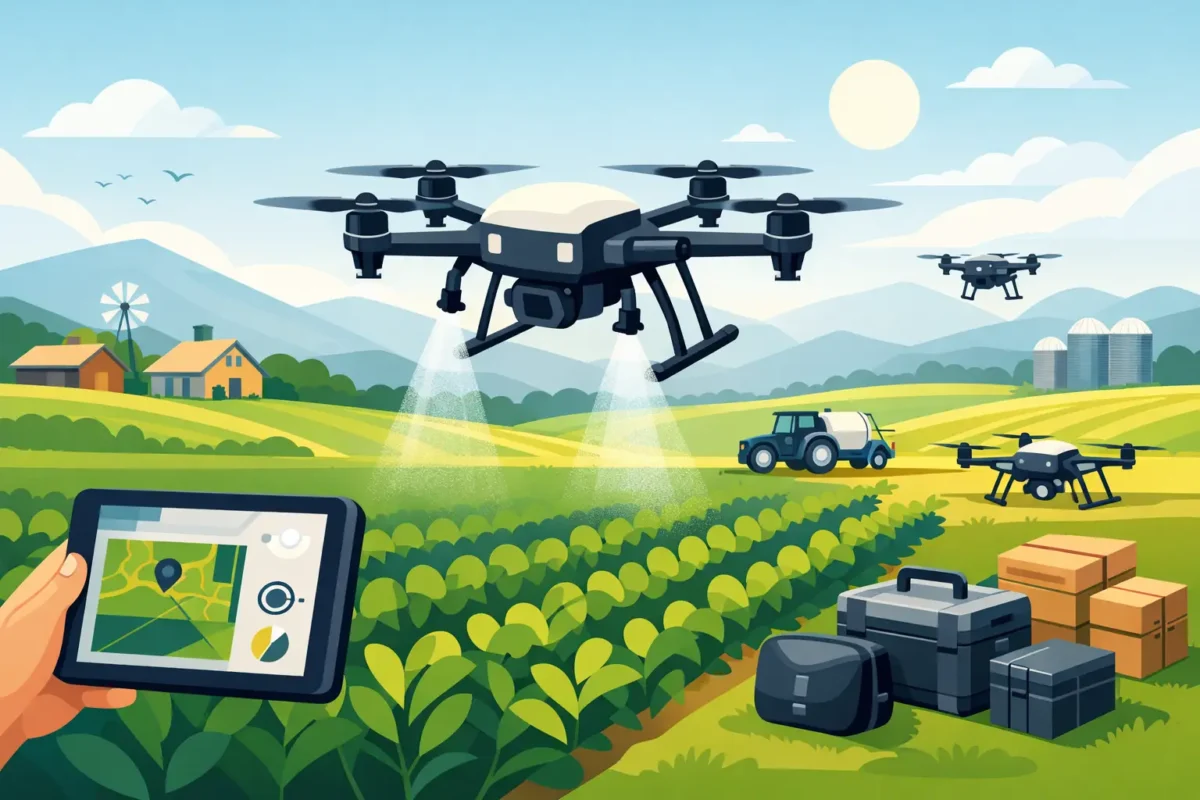
A spray window can close in a day. Labor can disappear in a week. Input costs keep climbing either way. That is why more growers and ag operators are comparing affordable agricultural drone packages instead of waiting on crews, ground rigs, or custom application schedules that do not always line up with field conditions.
For most buyers, affordability does not mean buying the cheapest drone on the page. It means getting a package that can do real work in the field, cover acres efficiently, and avoid the extra costs that show up later when critical parts, batteries, or charging equipment were never included. If the package cannot keep your operation moving, it is not a deal. It is a delay.
What affordable agricultural drone packages should actually include
A serious ag drone package should be built around field productivity, not just a low sticker price. That starts with the aircraft itself, but the value comes from the full working setup. A useful package usually includes the drone, batteries, charging equipment, and the core items needed to spray or spread without piecing together essentials one order at a time.
This matters because agricultural drone work is battery-driven and time-sensitive. A grower who buys an aircraft without enough battery support may save money upfront, then lose efficiency every day in the field. The same goes for charging systems. If charging is slow or underpowered, the drone sits when it should be flying.
The strongest packages also match the way the drone will actually be used. Some operators need a spraying setup first. Others want flexibility for spreading dry material or expanding into multiple services. Affordable means the package fits your acreage, workflow, and labor reality without overloading you with components you will not use.
Why affordable agricultural drone packages are gaining traction
The short answer is simple. They give farms more control.
A well-matched drone package can reduce labor pressure, improve timing, and help apply product more precisely than broad, one-size-fits-all methods. When a field is soft, tight, uneven, or difficult to reach with ground equipment, a drone can keep the job moving. That operational flexibility is where many buyers see the value.
There is also the question of waste. Overapplication costs money. Missed spots cost yield. Delayed treatment can cost both. Agricultural drones help operators target work more accurately and repeatably, especially when flight planning and automated route functions are part of the system. For farms trying to do more with fewer people, that is not a luxury feature. It is a practical advantage.
What drives the real cost of a package
A low advertised number does not always reflect the real purchase. The total value of a package depends on several factors, and this is where buyers need to look past surface pricing.
Battery count is one of the biggest cost drivers. More batteries usually mean higher upfront cost, but they also mean more field time and better daily output. For larger farms or commercial operators, too few batteries can be more expensive in the long run because they limit coverage.
Charger capacity matters just as much. A strong charging setup supports a productive rotation. A weak setup creates downtime. If your operation depends on knocking out acres quickly during short weather windows, charging support is not optional.
Tank size, spreader support, and automation features also affect package pricing. Larger-capacity drones may cost more initially, but they often make more sense for operations covering substantial acreage. Smaller setups may look more affordable, but if they require more passes, more refills, or more labor per acre, the savings can disappear fast.
Choosing the right package for your operation
The best package depends on the work you need done, how often you need it done, and how many acres are involved. There is no single right answer for every farm.
For smaller farms and first-time buyers
If you are entering ag drone use for the first time, affordability often means buying enough capability to be useful without overspending on capacity you will not use this season. A straightforward package with reliable battery support and core spraying functionality can be the right move. It gives you a practical entry point while still delivering labor savings and better timing.
For smaller operations, the question is not just price. It is frequency. If the drone will be used regularly for spot treatment, specialty crops, smaller fields, or hard-to-access areas, even a more modest package can create strong value.
For row crop operations with larger acreage
Larger acre operations need to think in output per day, not just package price. A package that supports longer work sessions, faster turnaround, and repeatable autonomous routes will usually make more financial sense. This is where battery rotation, charging speed, and aircraft capacity have a direct impact on profitability.
For these buyers, cheap equipment that cannot keep pace with the season is rarely affordable. The better play is a package sized for the workload.
For commercial spraying and spreading services
Commercial operators need packages that hold up under regular use and support multiple job types. Spraying may be the immediate need, but spreading can open additional revenue opportunities. A more versatile package can be the smarter investment if it allows you to serve more customers with one platform.
This is also where support equipment matters most. Downtime costs money when jobs are scheduled and crews are waiting.
Features worth paying for and features you can evaluate carefully
Not every feature deserves the same priority. Some features directly affect field performance, while others are only valuable if they match your operation.
Obstacle avoidance, constant-altitude flight, and automated route planning usually justify their place in a package because they support consistency, reduce operator strain, and improve work quality across uneven terrain. These are practical features that help the machine do the job better.
RTK support can also be worthwhile for operators who need more precise positioning, especially in repeat application patterns or detailed field work. That said, not every buyer needs to start there. If your current goal is efficient spraying and basic operational improvement, it may make sense to start with a solid core package and expand later.
The same logic applies to add-ons. Extra capability is only valuable if it will be used. A package becomes less affordable when money is tied up in tools that stay in storage.
What buyers often overlook when comparing packages
Many first-time buyers focus almost entirely on aircraft price. That is understandable, but it can lead to a weak setup.
Training and operational readiness are often overlooked. A package should not just arrive at your farm. It should put you in a position to start working efficiently. The easier it is to understand the system, manage batteries, and plan actual field use, the faster the purchase starts paying back.
Replacement parts and accessories matter too. Motors, chargers, battery hubs, and related equipment are not side items. They support uptime. If a package saves money upfront but leaves you scrambling for critical accessories later, that is not efficient buying.
Another common mistake is buying for ideal conditions instead of real ones. Think about your terrain, average field size, refill workflow, crew availability, and seasonal pressure. The right package should fit your operation on a normal day, not just on paper.
The business case is stronger than many buyers expect
Agricultural drones are often evaluated as equipment purchases, but the better way to look at them is as productivity tools. They help operators move faster, use labor better, and respond to field conditions with more control.
That control can have a measurable financial effect. Better timing can protect yield. More precise application can reduce chemical waste. Faster coverage can help you stay on schedule during narrow treatment windows. Over time, those gains matter more than a narrow focus on initial cost alone.
This is why many buyers shopping for affordable agricultural drone packages end up choosing packages that are not the absolute cheapest. They choose the setup that gives them dependable daily use, practical autonomy, and enough support equipment to stay productive.
At DJI Agras Drone, that is the value serious buyers are usually after – not a bargain that looks good in the cart, but a package that performs when acres, labor, and timing are all working against you.
If you are comparing packages now, keep the decision simple. Buy for field output, battery support, and real operational fit. The right package should help you cover more ground with less friction, and that is where affordability starts to mean something useful.
