
Lates News From Refrigerant Gas Wholesale
Autonomous Flight Planning Agriculture Drone Guide
Apr
When a spray window opens, every minute matters. Autonomous flight planning agriculture drone systems help operators cover more acres with less guesswork, which is exactly why more farms are moving from manual application methods to planned, repeatable drone routes.
What autonomous flight planning means on the farm
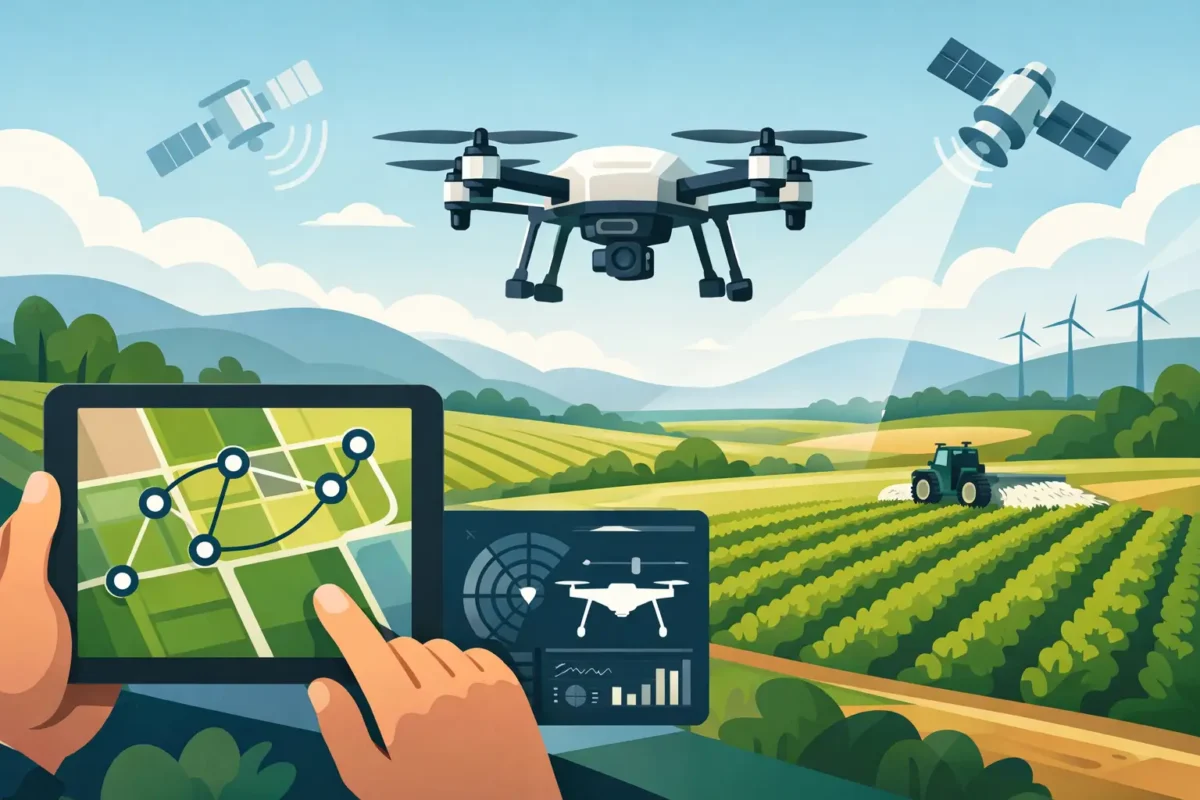
An agriculture drone with autonomous flight planning is not just following a straight line across a field. It is using mapped boundaries, route settings, terrain awareness, altitude control, and obstacle sensing to fly a job with far less manual input from the operator.
For a farm operation, that changes the role of the drone from a gadget into a production tool. Instead of spending valuable time steering every pass, the operator can focus on application quality, refill timing, battery rotation, and field logistics. That matters when labor is tight and field conditions are changing by the hour.
The real advantage is consistency. If you are spraying, spreading, or managing multiple fields in a day, repeatable flight paths help reduce skips, overlaps, and uneven coverage. Over time, that translates into lower input waste and more predictable results.
Why autonomous flight planning agriculture drone systems matter
The biggest selling point is simple – planned flights improve efficiency. A well-configured drone route allows the aircraft to work through a field in an organized pattern, maintain target height over the crop, and apply product where it is supposed to go.
That creates value in a few different ways. First, it reduces operator fatigue. Manual control over large acreage is slower and less consistent, especially during long spray days. Second, it improves timing. If weed pressure, nutrient demand, or disease risk requires a quick response, faster field execution matters. Third, it helps control operating costs by making better use of batteries, refill cycles, and chemical loads.
There is also a quality benefit. Precision application is not only about where the drone flies, but how reliably it repeats the route. Autonomous planning supports more accurate pass spacing and better field coverage, especially on irregular field shapes where manual flying can become inefficient.
How the system actually works
Most autonomous flight planning starts with a field boundary. The operator marks the area, either by mapping the field, importing data, or setting points on site. The software then generates a flight route based on the job type, field size, terrain, and application settings.
Field boundaries and route generation
Once the field perimeter is defined, the drone can build a path that fits the shape of the acreage rather than forcing the operator to improvise. This is especially useful on fields with curves, tree lines, drainage areas, or awkward corners.
The route can account for working width, turning behavior, altitude, and speed. That means the drone is not just flying automatically – it is flying according to a job plan built around application efficiency.
Constant-altitude flight and terrain following
One of the most practical features in modern agriculture drones is the ability to maintain a more consistent height relative to the crop or terrain. Flat ground is easy. Rolling ground is where better planning and sensing start to show their value.
When a drone can hold a more stable application height across changing terrain, spray quality improves. Drift risk can be reduced, coverage can stay more even, and the operator does not have to constantly correct for elevation changes.
Obstacle avoidance and safer operation
Field work is rarely obstacle-free. Tree lines, poles, wires, irrigation structures, and edge conditions all create risk. Autonomous systems with obstacle sensing can help the drone recognize and react to hazards during the mission.
That does not remove the need for operator awareness. It simply adds a layer of protection and helps support more confident operation in real field conditions. Buyers should treat obstacle avoidance as a strong assist feature, not permission to ignore the environment.
Where autonomous planning delivers the strongest return
Not every acre presents the same opportunity, but some use cases stand out.
Spraying is the clearest example. When timing, droplet placement, and field coverage matter, autonomous routes help the operator maintain a more consistent application pattern. That is useful for fungicides, herbicides, foliar feeding, and other targeted passes.
Spreading is another strong fit. Whether applying seed, fertilizer, or granular material, route planning helps maintain coverage and reduces wasted passes. On large farms or custom application businesses, those efficiency gains add up quickly.
Autonomous planning also helps with repeat operations across the same blocks. If a field needs multiple treatments during the season, using stored routes can make those return jobs faster and more uniform.
What buyers should look for in an agriculture drone
The best drone is not just the one with the biggest tank or the highest headline spec. For most commercial farm buyers, the better question is whether the system makes daily operations easier and more profitable.
Flight planning that is easy to set up
If route creation takes too long or feels overly technical, it will slow adoption. Good autonomous planning should be straightforward enough for a practical farm operator to use without a steep learning curve.
Reliable spraying and spreading performance
Autonomy only matters if the application system does its job. Tank capacity, pump performance, spreader compatibility, and consistent output all need to match the demands of your acreage and crop program.
Battery and charging workflow
Downtime kills productivity. A strong setup includes the drone, the right number of batteries, charging support, and a refill process that keeps the crew moving. On busy application days, workflow matters as much as aircraft capability.
RTK and positioning support
More accurate positioning can improve route precision and repeatability. For operations that want tighter flight consistency or more reliable work in complex field conditions, RTK support can be a worthwhile upgrade.
The trade-offs buyers should understand
Autonomous flight planning is a major advantage, but it is not a magic fix for every operation. Field conditions, weather, payload size, battery management, and local regulations still shape what the drone can realistically deliver in a day.
It also pays to be honest about acreage and workload. A smaller operation may get strong value from an agriculture drone without needing every advanced accessory on day one. A larger farm or custom application business may need a more complete setup from the start, including extra batteries, charging equipment, and positioning hardware.
There is also the training factor. Even with automated flight paths, good results still depend on setup, calibration, safe operating habits, and understanding how application settings affect coverage. The technology reduces manual burden, but it does not remove operator responsibility.
Why DJI Agras drones fit this job well
DJI Agras drones are built around practical field use, not hobby flying. That is why they continue to attract serious buyers looking for a commercial solution for spraying, spreading, and farm automation.
Their value comes from combining autonomous flight planning, obstacle sensing, constant-altitude operation, and field-focused application systems in one platform. For operators trying to reduce labor pressure and improve coverage quality, that combination is easy to understand. It saves time, supports more accurate work, and helps modernize application without adding unnecessary complexity.
For buyers focused on price and productivity, this matters. A drone should earn its place in the operation by helping cover acres faster, reduce waste, and support better use of labor. That is the standard commercial farm equipment should meet.
Is an autonomous flight planning agriculture drone worth it?
If your operation is dealing with labor shortages, rising input costs, or the need to treat fields quickly in narrow weather windows, the answer is often yes. The value is strongest when the drone is used as part of a real field workflow rather than as an occasional add-on.
A planned drone route is not just a convenience feature. It is a way to make aerial application more repeatable, more efficient, and easier to scale. That is why more farms are looking at autonomous systems as a practical equipment purchase instead of a future concept.
For operators comparing options, focus on field performance, application consistency, and total workflow. The right system should help you make better use of time, labor, and product from the first season forward.
If you are buying for results, that is the right place to start.
